
Group loans (JLG and SHG): will I have to pay for someone else?
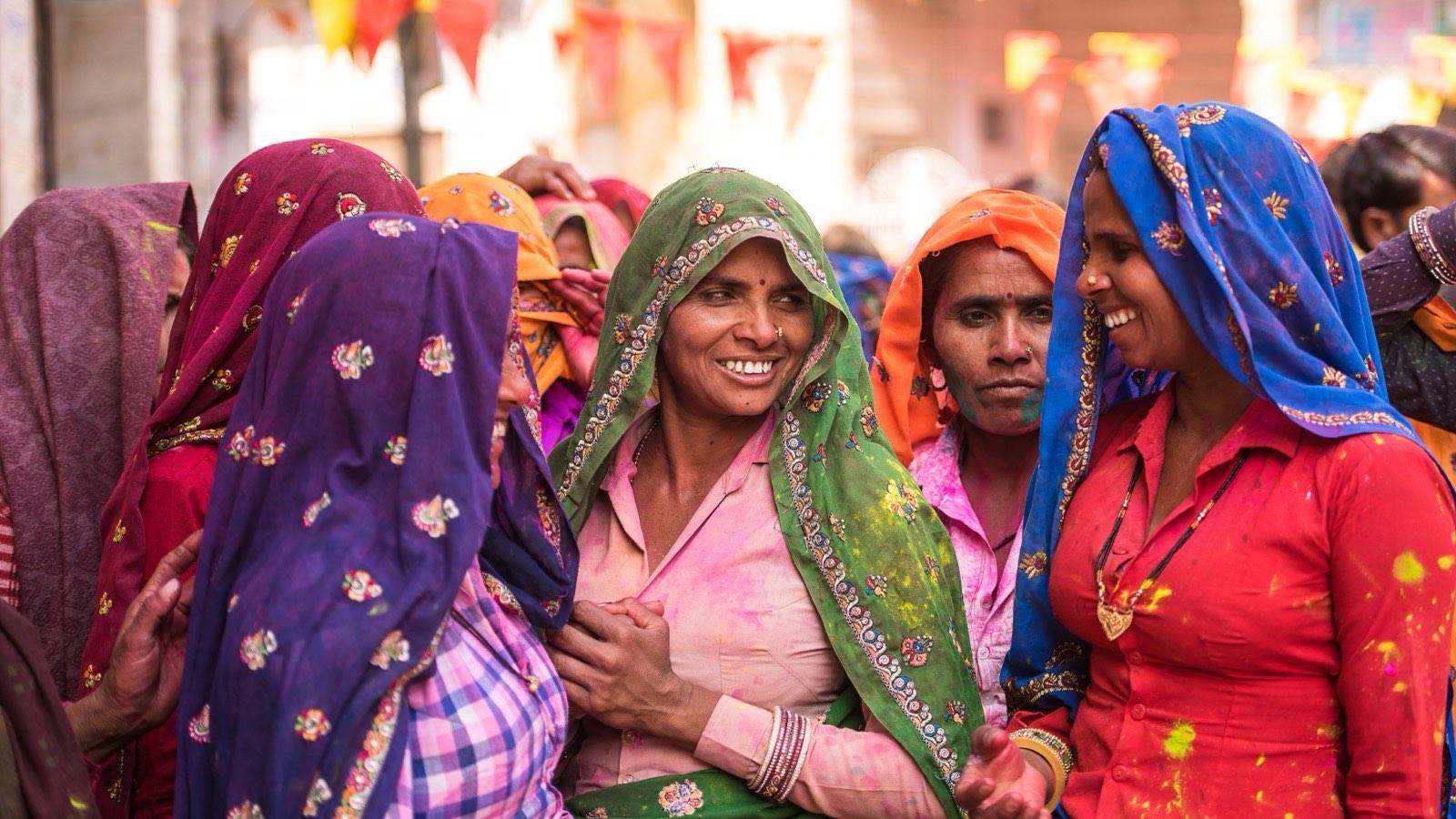
Short answer: A group loan is still your own loan. Do you have to pay when another member can’t? That depends on what your loan agreement says. RBI rules don’t require it, but many group (JLG) contracts make members pay for each other. Before you join, ask to see that part of the contract in your language. Lenders can’t take a deposit or collateral (security such as gold or property) from you, and they can’t block your savings account. Recovery staff must also follow strict rules on where and when they collect.
The situation
Rekha’s group of five women each repays ₹1,000 a week. Then Meena falls ill and can’t pay for a month. The loan officer says, “The group must cover her.” Is that true?
SHG loan or JLG loan? They’re different
| SHG–bank linkage (under DAY-NRLM) | JLG / group loan from a bank or MFI | |
|---|---|---|
| Who borrows | The self-help group borrows from a bank as one unit | Each member borrows; the group stands behind each loan |
| Group size | 10–20 women | Usually 4–10 people |
| Starts with | Regular savings and meetings, then loans | The loan, with group meetings to collect payments |
| Interest | Lower, with government support, for eligible rural women’s SHGs (7% on loans up to ₹3 lakh in 2025–26; ask your bank for this year’s rate) | The lender’s own rate. Check the APR in your KFS |
| If one member can’t pay | The group decides for itself | Depends on your contract, often “joint and several” |
In the table, an MFI is a microfinance lender. The APR is the full yearly cost of the loan, and the KFS (Key Facts Statement) is the short sheet that shows it. “Joint and several” means the lender can ask any one member, or all of them, to pay the whole amount due.
A ₹ example
Fictional. Calculated by Paisavy.
The agreement in Rekha’s group says the others cover a missed instalment. So Meena’s ₹1,000 a week is shared by the other four:
- Each pays ₹1,000 ÷ 4 = ₹250 extra a week
- Over 4 weeks: ₹1,000 extra each, on top of their own ₹4,000
Rekha’s weekly payment jumps from ₹1,000 to ₹1,250. That is 25% more, with no warning. Keep a little money aside for exactly this.
What lenders can and can’t do
Under RBI’s microfinance rules:
- The lender can’t take a deposit, margin or collateral. It also can’t put a lien on your bank account (a hold that stops you using your own money).
- Training must be free.
- Staff collect repayments at a place you agreed. They may come to your home or workplace only if you failed to come to that place two or more times in a row.
- Harsh behaviour is banned. That covers rude or abusive words, calls to late borrowers before 9 am or after 6 pm, troubling your relatives, making your name public, and threats.
- How often you repay should suit you, and the lender’s policy must leave room to change it.
- No product (insurance, a solar lamp, a sewing machine) can be a condition for getting the loan.
Questions to ask before you join
- Is this an SHG loan (the group borrows) or an individual loan with group guarantee (JLG)?
- Does my agreement make me liable for other members? (Liable means you have to pay.) Show me that part in my language.
- Where and when will you collect repayments?
- What happens if a member falls ill or moves away for work? Can the payment dates be changed?
- Are you selling anything with the loan? (You can say no.)
- Who is the grievance officer, the person who handles complaints? Their name and phone number must be on your loan card.
Myths
“RBI makes all members pay for each other.” No. Your contract decides.
“The lender can keep my savings if someone doesn’t pay.” Microfinance lenders can’t take deposits or put a lien on your account. An SHG’s own rules about its savings are a separate matter, so ask.
“Agents can come to my house any time.” Only after you failed to come to the agreed place two or more times in a row, and never with threats.
What to check today
- Find the joint-liability clause (the part about paying for others) in your agreement or loan card.
- Write down the grievance officer’s name and number.
- Agree a “sick member” plan with your group before anyone needs it.
Try it with your own numbers
→ Can I afford it? (household mode): include all family loan payments and test a month where you cover one member.
Sources and review
- RBI FAQ on the microfinance framework (30 Jan 2025): https://www.rbi.org.in/commonman/Upload/English/FAQs/PDFs/RFML30012025.pdf
- RBI Master Direction on microfinance loans (14 Mar 2022): https://www.rbi.org.in/Scripts/NotificationUser.aspx?Id=12256
- RBI — since 28 Nov 2025 these rules sit in the Credit Facilities Directions, 2025 (for NBFCs, Chapter V): https://www.rbi.org.in/Scripts/BS_ViewMasDirections.aspx?id=12957
- RBI Master Circular DAY-NRLM (1 Apr 2025): https://www.rbi.org.in/Scripts/BS_ViewMasCirculardetails.aspx?id=12806
- Example calculated by Paisavy (
scripts/wave3_examples.py).
Educational information, not financial advice. Found an error? Tell us → · Corrections log